


Automation – Feature Guide

The Automation feature lets you automate your entire workflow using an intuitive and easy to use visual designer. It’s a powerful way to push your leads to conversion! Just set it up once and watch your leads trickle down the sales funnel with minimal manual effort.
Here are some examples of what you can achieve through automation –
- Send automated campaigns to leads and follow up based on their behaviour.
- Nurture leads with the right messages depending on their engagement.
- Automatically distribute leads to users/groups based on location, interests, products, etc.
- Automatically check-in/check-out your users, create tasks and alerts based on their availability and send them automated messages on special occasions.
- Use Lapps and webhooks to pull/push data and automate processes you perform in third-party applications.
- And lots more…
Automation Types
You can set up different types of automations based on the automation trigger you select –
| Automation Type | Description |
| Account | Lets you automate workflows around your B2B relationships and activities. |
| Lead | Lets you automate your lead conversion workflow through engagement, nurturing, sales management, etc. |
| Opportunity | Lets you automate your opportunity capture workflow through engagement, nurturing, sales management, etc. |
| Activity | Lets you automate workflows when activities are posted or updated against accounts, leads or opportunities. |
| Tasks | Lets you automate workflows when tasks are posted or updated against accounts, leads or opportunities. |
| User | Lets you automate the workflow of your users and lead distribution through check-in/check-out functionality. work day and hour availability, holiday/leave management, etc. |
| At Regular Intervals | Lets you trigger automated workflows at specified intervals. |
If you’re new to the automation feature, we recommend you go through this article first.
| Automation Type | Articles |
| Account Automation |
|
| Lead, Opportunity, Activity, and Task Automations |
|
| User Automation |
|
| Automation Audit Report See who changed what and when, as well as previous versions of your automations. |
|
Automation Basics
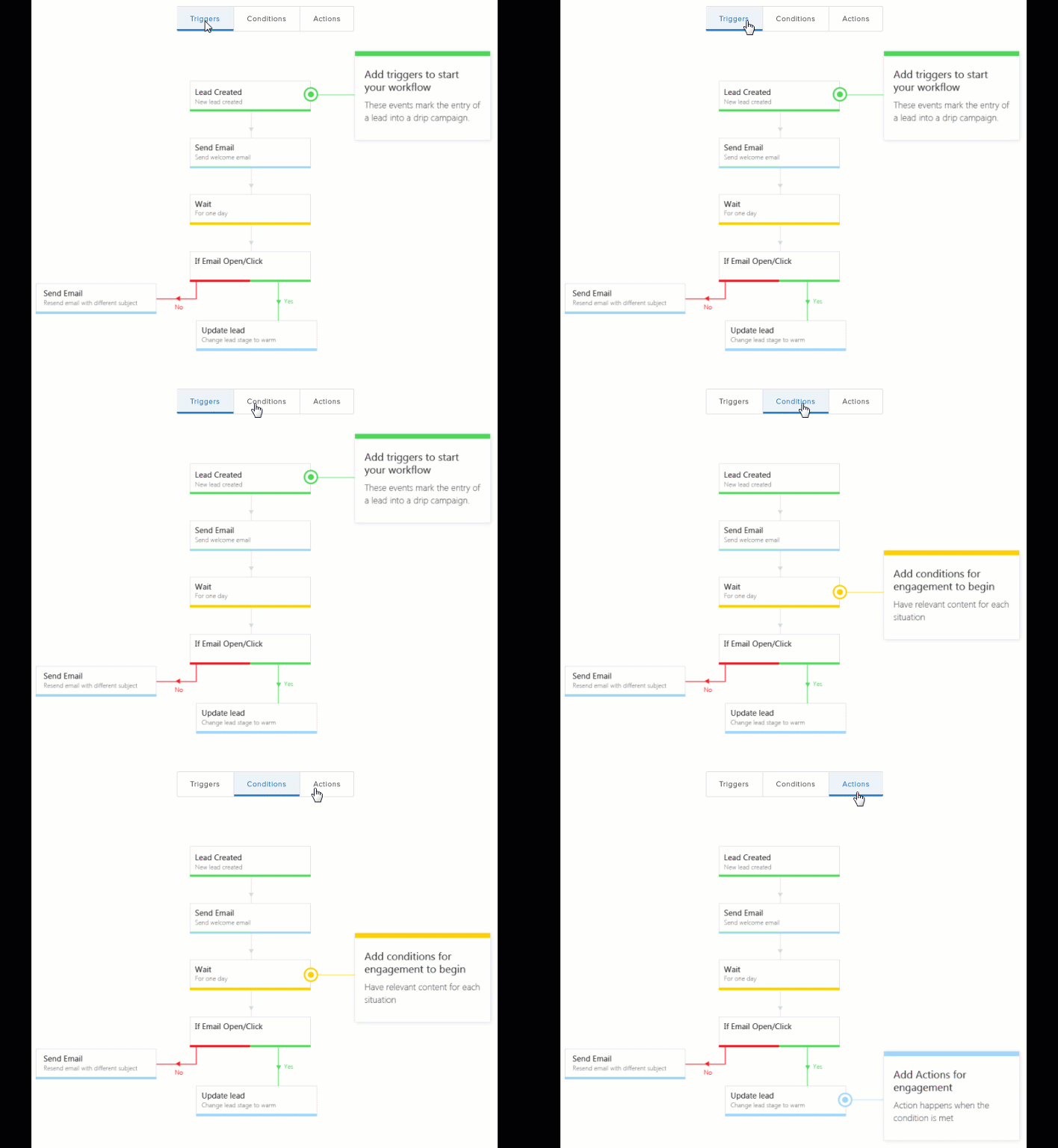
Automations have three key components –
- Triggers
The starting point of your automation. When a new lead is created for instance. - Conditions
An if/else or wait until condition that is usually followed by an action. Wait until a lead opens an email for example. - Actions
An action to perform once a condition is met, such as adding a lead to a list or sending an email once a condition is met.
Navigation
From your main menu, navigate to Workflow>Automation.
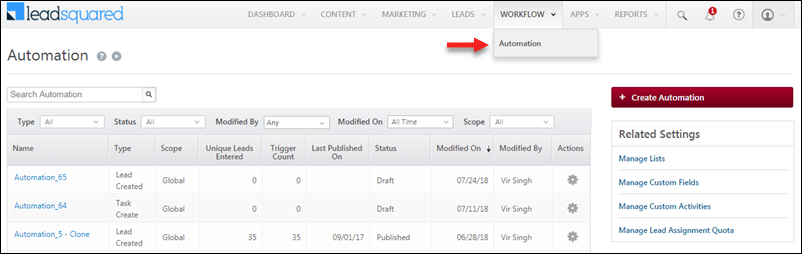
From this page, you can –
- Create new automations.
- Filter existing automations by Type, Status, Modified By and Modified On.
- Use the Settings
 icon alongside an existing automation to Publish, Edit, Rename, Clone or Delete the automation.
Unplishing Automation
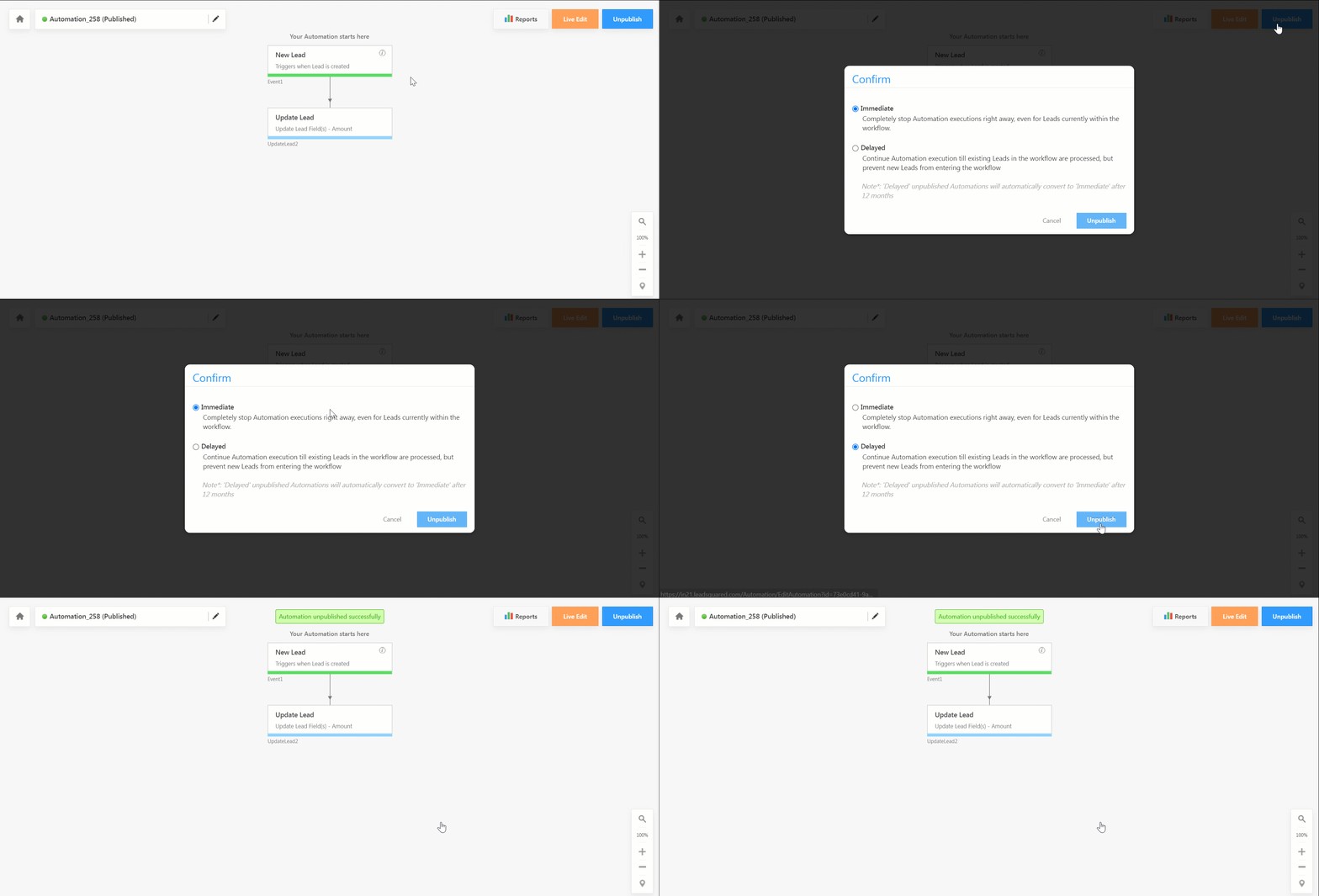
When unpublishing an Automation, you have two options to choose from:
- Immediate – Unpublish the automation right away, stopping all leads currently in the workflow.
- Delayed – Unpublish after all leads in the workflow are processed, but no new leads will enter.
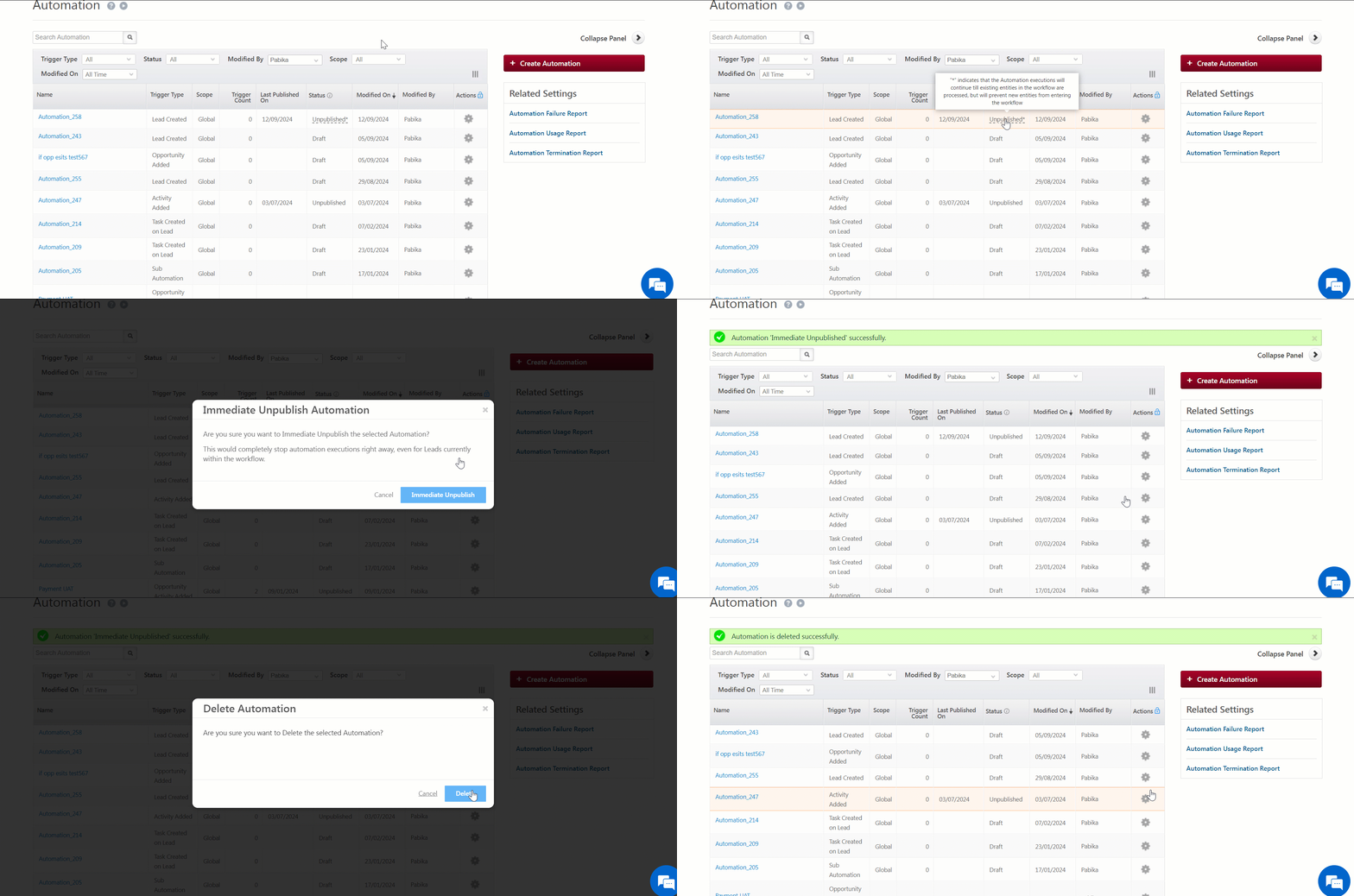
Delayed automations will appear as Unpublished* and cannot be deleted until all leads are processed. Alternatively, you can convert it to an Immediate unpublish to delete it.
Automation Reports
- Check the real-time performance of an Automation in the Automation Report.
- Check why your Automation has failed in the Automation Failure Report.
- You can track updates made to your Automations through the Automation Audit Report.
- Find all your Automations that have been executed through the Automation Usage Report.
- Check how an Automation has executed on a specific Lead, Opportunity, or Account through –
Any Questions?
Do you have a workflow you would love to automate? Let us know in the comments. We’re happy to help!